
Baltzar von Platen
Plan your trip
A 300-year-old dream
As early as the 16th century, the renowned Bishop Brask of Linköping proposed a waterway across Sweden, from the Baltic Sea to the North Sea. Plans for a canal through Sweden were discussed repeatedly until the early 19th century, when Baltzar von Platen’s vision finally became reality.
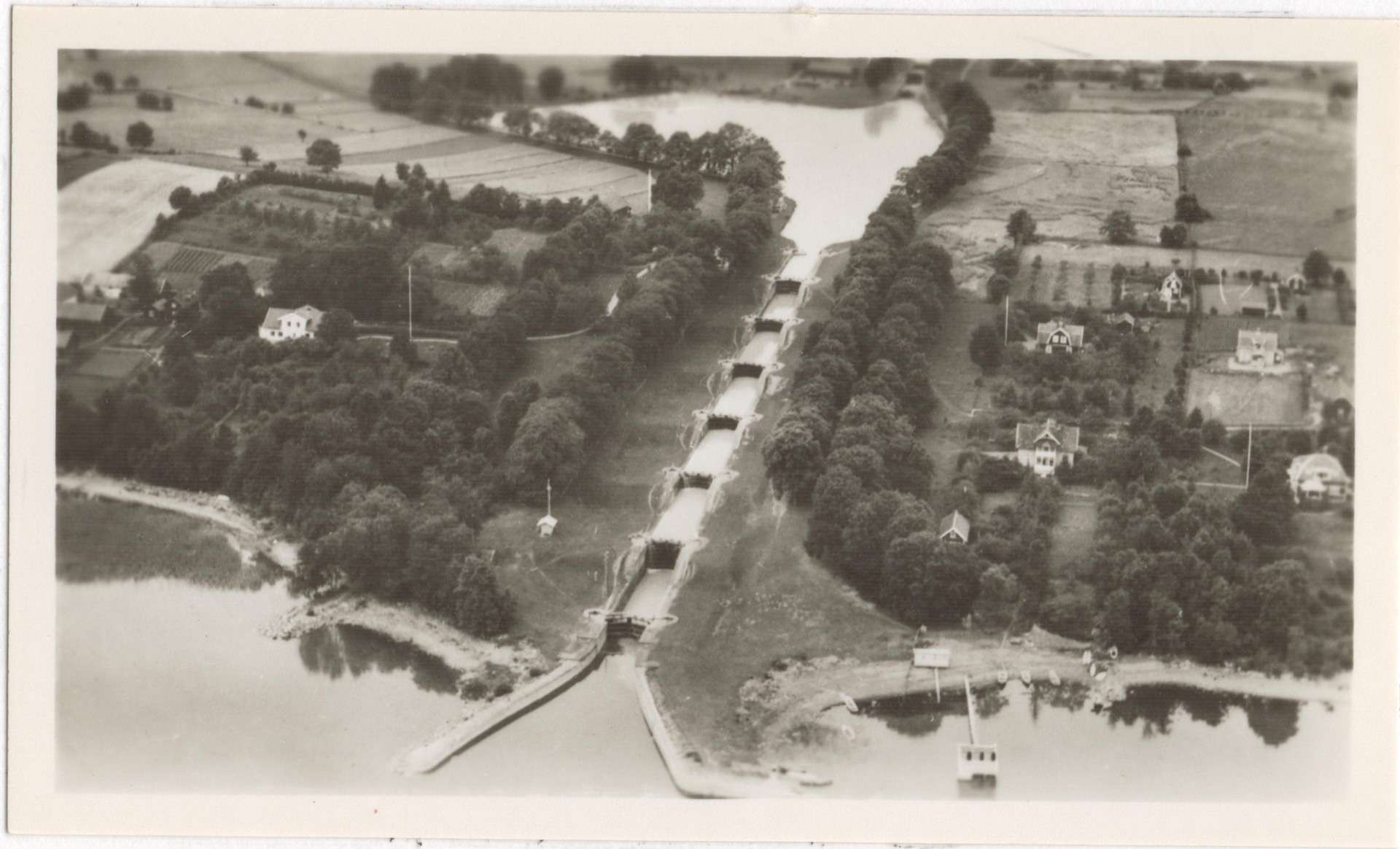
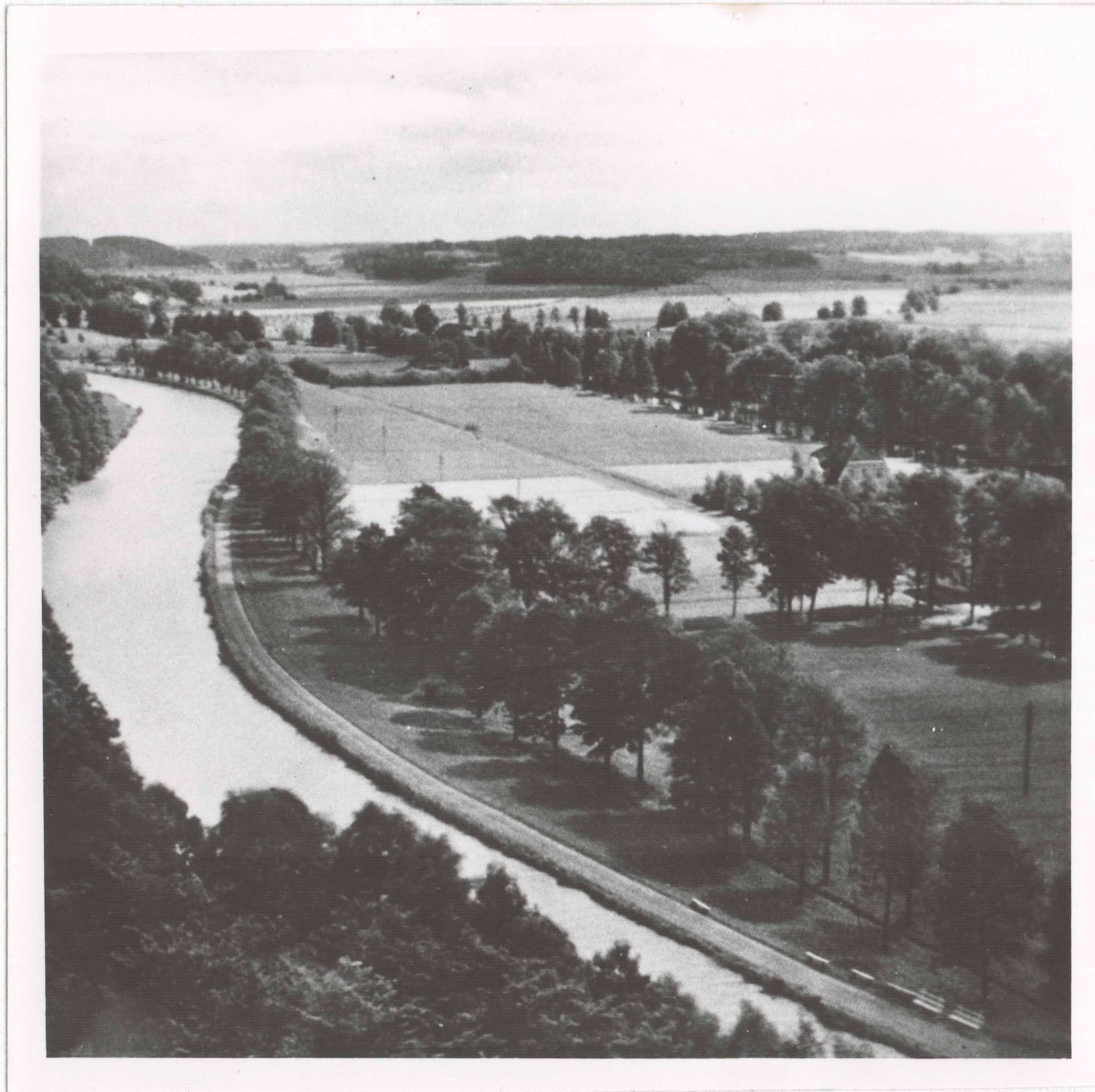
Canal history at a glance:
Initiator and project leader: Baltzar von Platen
Year built: 1810-1832.
Cost: Nine million riksdaler, equivalent to approximately SEK 12.3 billion in 1995 prices.
Workforce: Some 58,000 conscripted soldiers took part in the work, completing approximately seven million workdays. Each workday lasted twelve hours. The demanding excavation was carried out mainly by hand.
Plan your trip
Baltzar von Platen
Baltzar von Platen, a count, naval officer and government minister, was the man who managed to get the canal project approved. In 1806, he presented a treatise on canals that led to his appointment to develop a proposal for the Göta Canal. He enlisted the help of Europe’s leading canal engineer, the Scotsman Thomas Telford. On 11 April 1810, King Charles XIII issued a charter granting the Göta Canal Company the right to construct and operate the canal, together with access to labour, land and forests for its construction. Work began at Motala in May 1810, and soon construction was under way at around 15 different sites along the route.
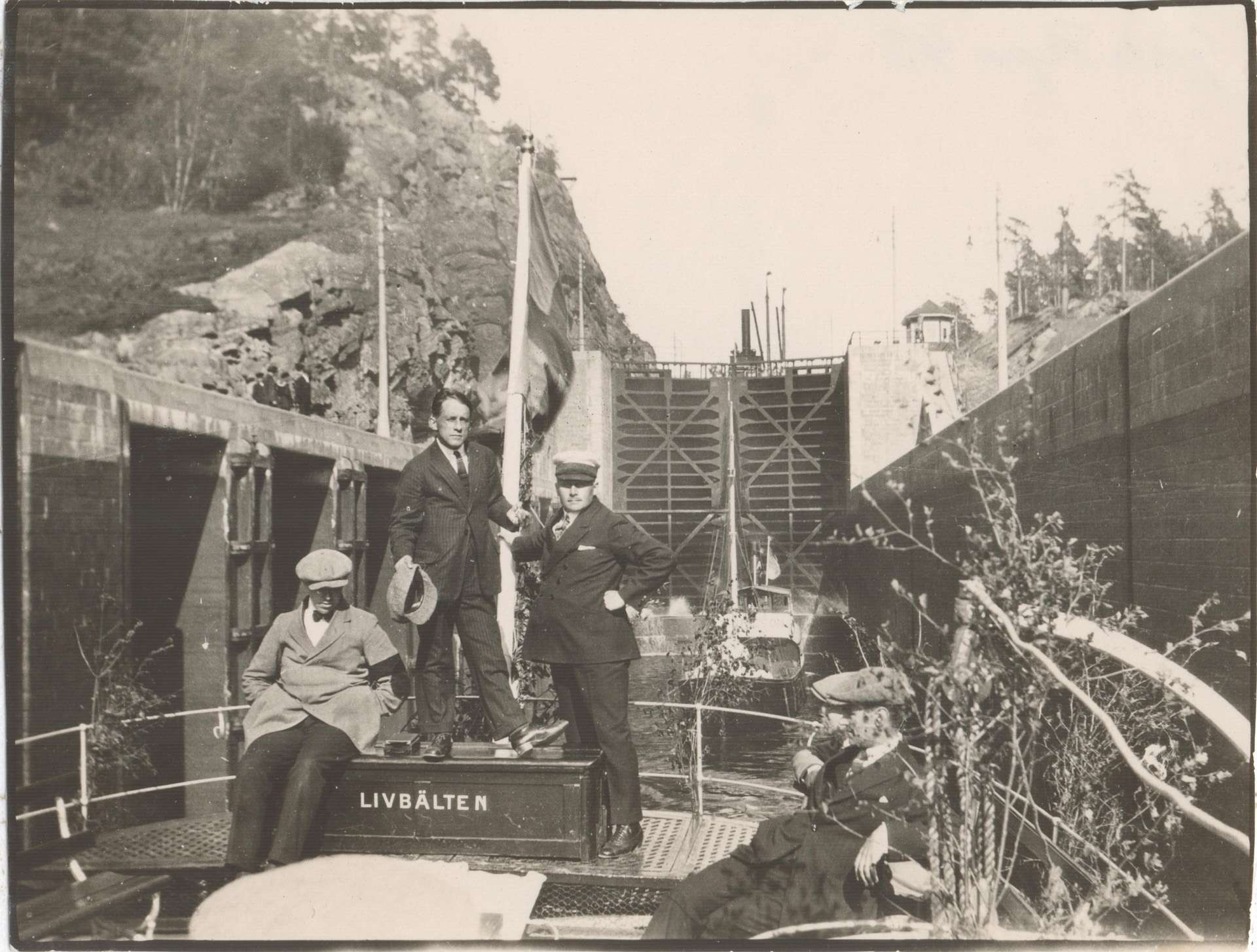
The history of the Göta Canal in Baltzar’s own words
Whenever I looked at a map of Sweden, I was amazed that there was no canal linking the seas to the east and west. A canal would make trade easier and benefit Sweden’s defences. As early as 1808, the British engineer Thomas Telford came to Sweden and helped me survey the Göta Canal route. This took us 21 days. But it was only when I received the royal charter in 1810 that I could truly begin construction.
We began digging at Forsvik, which still has the canal’s oldest lock. Many workers were involved, and by 1812 some 7,000 men were busy digging, blasting rock and removing earth. Eventually, they had excavated 87.3 kilometres of canal, mostly by hand with iron-shod wooden spades. They had also completed 12 million workdays, blasted away 200,000 cubic metres of rock and moved eight million cubic metres of earth.
Most of my workers were conscripted soldiers; 58,000 were called up for the project at different times. But civilians and a small group of 200 Russian deserters also worked alongside them. To keep up morale, the workers’ weekly ration included 14 small measures of spirits. In cold weather, their fingers and feet could become numb.
Motala Works and the canal’s legacy
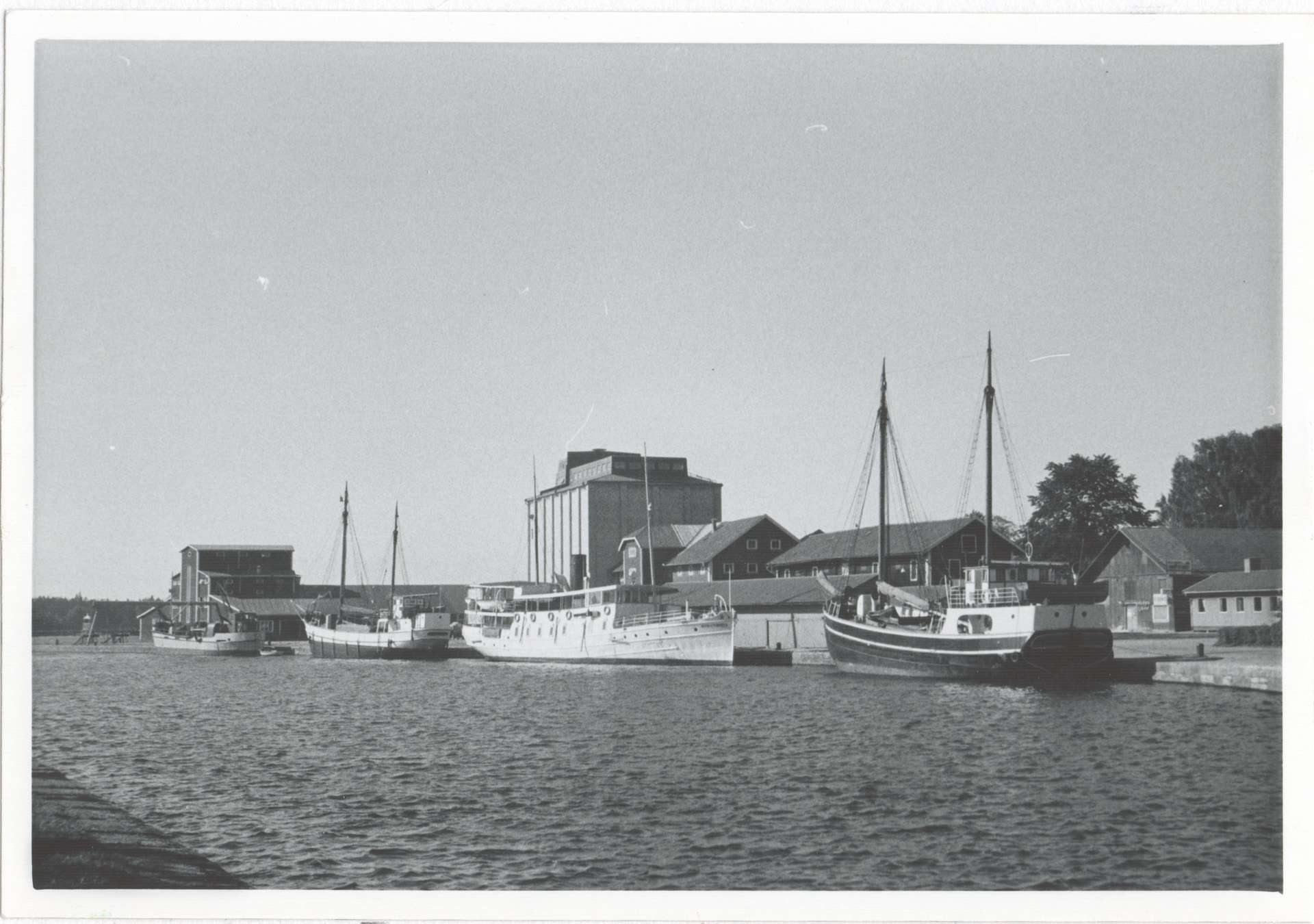
Sweden’s engineering industry was not particularly developed before we began constructing the canal. We imported both a dredger and surveying instruments from Great Britain, but the knowledge shared with us by the British was truly invaluable. They helped establish Motala Verkstad, a workshop that would meet our needs. Over time, the workshop became known for its cast-iron engineering, and several famous Swedish engineers were trained there. Nils and John Ericsson, Gottfried Kockum and C. G. Bolinder all passed through Motala Verkstad. The feeling when we inaugurated the western section in 1822 was indescribable. His Majesty King Charles XIV John honoured me with the Order of the Seraphim. Sadly, I was not there when the Östergötland section was inaugurated ten years later. By then I had been dead for three years. But my canal lives on, as does my motto: “You can do what you want to do, and when you say you cannot, it is because you do not want to.” In 2000, the magazine Byggindustri named the Göta Canal Sweden’s construction project of the millennium, following a public vote. My dream has become reality, and today the canal is one of Sweden’s largest and most important cultural-historical structures.
Plan your trip
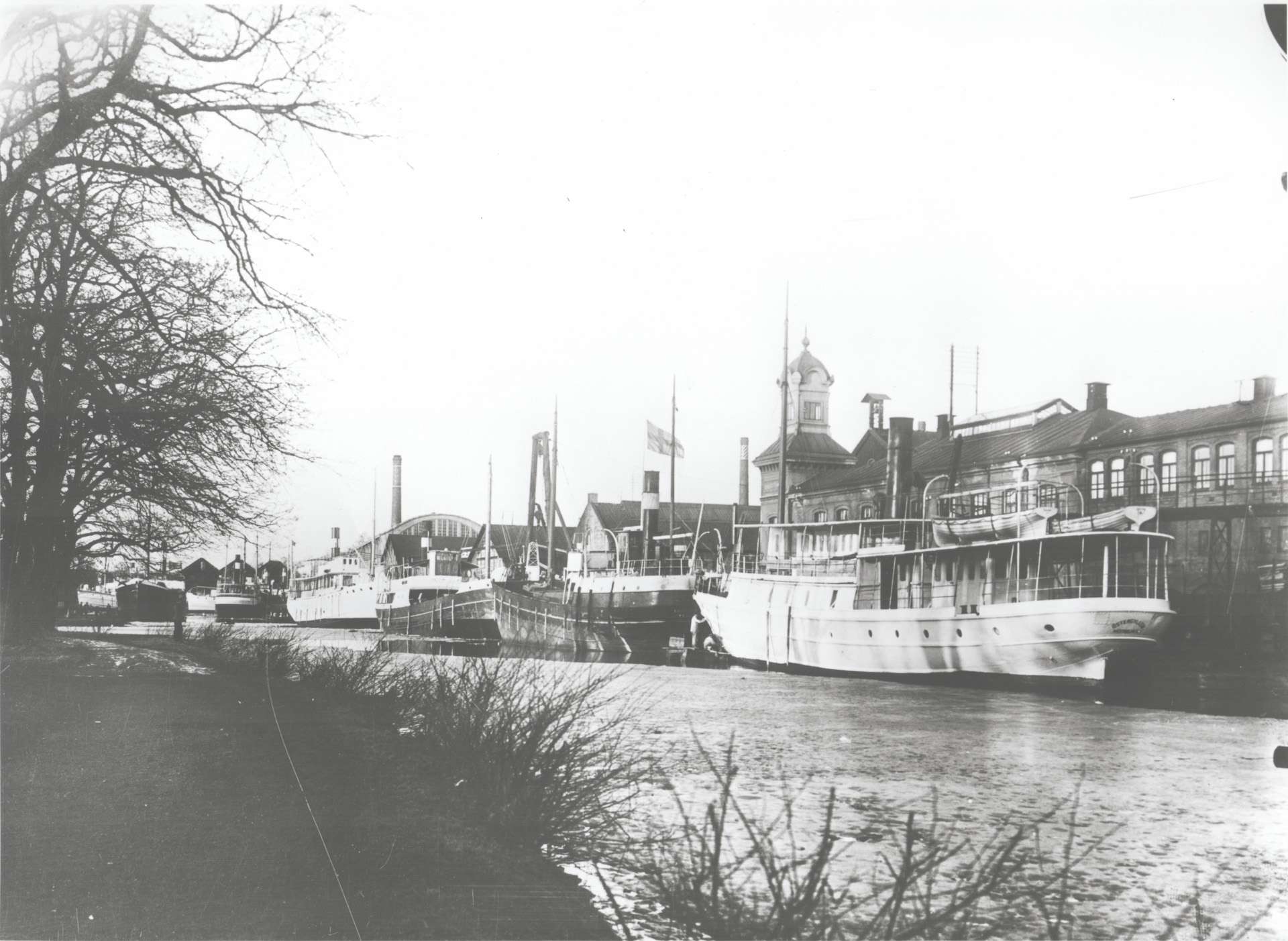
Motala Works
In 1822, Baltzar von Platen established a small mechanical workshop in Motala that would later become known as the “cradle of Swedish engineering”.
The ceremonial opening
On 26 September 1832, the Göta Canal was inaugurated at Mem with great ceremony in the presence of King Charles XIV John of Sweden and his family. Baltzar von Platen did not live to see the culmination of his life’s work: he had died in 1829, almost three years earlier.
Read an article about the ceremonial opening of the Göta Canal in 1832
Commercial traffic
Throughout the 19th century, the canal was an important transport route for both goods and passengers. However, it never achieved the lasting significance that von Platen had hoped for. Railways and, later, road freight gradually took over its role. Instead, the waterway became one of Sweden’s best-known and most visited tourist attractions.
Ready to plan your canal trip?
Choose a route or find an available week that suits you.
